
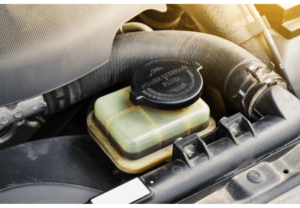
Power steering fluid is an essential part of your car’s steering system. Without it, the system would rust, corrode, and metal parts would be rubbing against each other, causing friction, heat, and a lot of unnecessary damage. Discover what color is power steering fluid and what to do if it is not.
If you know how important power steering fluid is, but aren’t sure about what you should be looking for, you’re in luck. Here, we cover what color power steering fluid should be and three colors you should look out for.
Types of Power Steering Liquid
There are a few things to consider when choosing a power steering fluid. The first thing you should do is read your owner’s manual. The owner’s manual contains so much useful information, including how often you should change your power steering fluid and what kind of fluid is appropriate for your vehicle.
Some vehicles use automatic PS fluid, while most modern cars use synthetic options. Many vehicles also use universal steering fluids. That said, sometimes manufacturers recommend a fluid with special additives. Again, check your owner’s manual to be sure.
Here’s a quick look at the different types of PS fluid available.
Mineral Power Steering Fluid
Mineral power steering fluid has a refined petroleum base with additives that improve its performance. One of the benefits of this type of oil is that it’s very good for the rubber seals, but this type isn’t as popular as others as it doesn’t last as long. You’ll have to change it more frequently than other types, and it’s more likely to form foam and allow air into the system.
Semi-Synthetic Power Steering Fluid
As the name suggests, this type of fluid is a mix of mineral oil and synthetic oil. They offer good lubrication and low viscosity while resisting foaming. That said, they’re also a little harsh on the rubber elements inside the steering system, which could cause leaks.
Synthetic Power Steering Fluid
If your car manufacturer recommends it, this is the best option for steering fluid. Synthetics are made with a combination of fractions of refined petroleum, polyhydric alcohols, and polyesters along with special additives to combat how hard they are on the rubber components. They also function the best in cold conditions.
Universal Power Steering Fluids
Universal power steering fluids work with a lot of different cars and is a great option if it’s compatible. Universal fluids have special additives that reduce stiffness and friction by improving responsiveness and therefore performance of the steering system. They also prevent corrosion, seal small leaks, and slow down wear and tear. That said, make sure that your vehicle can use a universal power steering fluid and that it’s compatible with the one you already have in your car before adding it.
CHECK PRICES ON THE BEST SELLING POWER STEERING FLUIDS ON AMAZON
Power Steering Fluid Color
Let’s look at some of the colors you may see when you look at power steering fluid.
New or Clean Power Steering Fluid
The color of power steering fluid varies between manufacturers. Usually, new power steering fluids right out of the bottle are clear, pink, or red. These products are made of these colors so that they stand out from other fluids. If you see a spot of red or pink fluid on your driveway, it’s a good bet you have a fluid leak in the system. And, if you see any of these colors when you look in the power steering fluid reservoir cylinder, your fluid is in good condition.
3 Colors to Look Out For
There are a few colors that could indicate a problem, and knowing what to look for can help you determine when to jump into action to avoid significant damage.
1. Foamy or Milky Power Steering Fluid
Foamy or milky power steering fluid can indicate a significant problem for many vehicles. The main reason this happens is that the fluid is contaminated with either air or water. Neither of these is good.
Air getting into the fluid can do a few things. First, it can cause the metal pieces to corrode and rust. Second, it affects the lubrication, which leads to the metal rubbing against each other and can quickly cause damage. Third, the pump can start sucking in air, which can eventually cause the system to fail.
Water can accelerate wear, causing the metal parts to corrode faster and damaging the pump. Another thing you need to consider is where the water is coming from. Water shouldn’t be able to get into a closed system, so it’s likely you have a leak somewhere. Finding and fixing this issue can lead to a costly repair.
If you see foamy or milky power steering fluid, you should flush the system and replace the fluid as soon as possible.
2. Yellow Power Steering Fluid
When you see yellow fluid, it usually means that the fluid has been exposed to air. This isn’t uncommon and not something to panic about, but it does mean it’s time to change the fluid. Power steering fluid can also turn yellow if it comes into contact with coolant.
3. Brown or Black Power Steering Fluid
When you see this color, it means that the fluid has reached the end of its life. Power steering turns these dark colors when it starts to burn, which means you need to bleed the system and replace the fluid immediately.
Final Thoughts
Power steering fluid is an essential part of your car’s steering system, and you should know what to look for to know when something’s going wrong. There are many ways to diagnose the problems that may arise from bad steering fluid, but the easiest way is to look at the color.
If you open the reservoir and see that the fluid is black, brown, white, or frothy, you know it’s time to flush the system and change the fluid. On the other hand, if you look in and everything looks good, you know the problem is something else.
Knowing the color of power steering fluid also comes in very handy when you see fluid leaking from your car. If you see drips of red or pink on your driveway, there’s a good chance it’s power steering fluid. This can make it easier to fix because you at least have a place to start.
If you feel comfortable doing work on your car, you can flush the power steering system and replace the fluid yourself. It’s not that difficult to do, but it does take some skill.
All you need is new power steering fluid, a basin, and a length of tubing or hose. First, remove the return hose from the system and set it up to drain into the basin, using the length of tubing if necessary. Then, start the car.
To drain the fluid, you have to move the steering wheel from side to side to get the pump to push the fluid through the system. But, at the same time, you have to prevent any air from getting in, so you must also ensure that the reservoir is full of new fluid.
Basically, you have to pour new fluid in as the old fluid comes out so the system doesn’t fill with air. The easiest way to do this is to have someone help you by either pouring the fluid or turning the wheel.
AS the fluid runs into the basin, you’ll eventually see the fluid turn from white or black to the clean fluid. When this happens, it means the system is flushed, and your fluid is nice and clean.
Related Article
How Often to Change Power Steering Fluid
1 thought on “What Color Is Power Steering Fluid – Three Colors You Should Be Aware”
Comments are closed.