
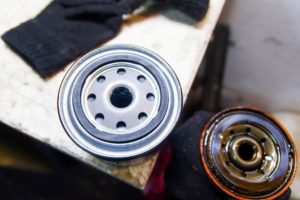
Changing your engine oil is one of the many tasks required to keep your vehicle operating the way it should. It will also save you from hefty mechanic bills once your engine overheats and blows. Read this article to learn some tips on how to take off an oil filter.
Keeping an oil filter is essential to keeping your oil clean to do its job. Most people prefer to change their own oil, which we don’t blame them for as long as they know how to choose the best filters for the job. Here is a quick guide to successfully taking off your oil filter.
What is an Oil Filter?
Oil filters are crucial to engine maintenance and performance. An oil filter removes unwanted contaminants like dirt and debris that tend to build up in vehicle oil over time that can damage your engine, make it overheat, and eventually stop working properly.
How Often Should You Change an Oil Filter?
To be on the safe side, most professionals believe you should change your oil filter every time you change your oil. They also state you should change your oil about every 5000 miles or the mileage that the vehicle manufacturer states in the owners manual. Newer vehicles will tell you when to change your oil based on your driving habits and mileage.
How Do You Take Off an Oil Filter?
Removing an oil filter is a fairly simple process. Before you get started, make sure you have all the tools and parts you will need. You will also want the replacement oil since you are going to be changing that out as well.
1. Cool Down the Vehicle
Before changing the oil filter, you must turn the vehicle off and make sure it has had plenty of time to cool down before you do any work on it. If you have driven it recently, it needs 30 minutes to an hour to cool down.
On the other hand, if your engine is too cold, you may want to start up the vehicle and let it run for a few minutes just to warm up the oil a tad. Warm oil will drain out of the oil pan and engine easier.
2. Prepare Your Space
Some people prefer to skip the jack if they own a truck or high-sitting SUV. However, many prefer the extra space to move around and will want to use it. You can also place jack stands under the vehicle for extra stability.
Then place your oil pan directly underneath the drain plug. An oil drain plug sits at the bottom of your engine at the lowest point of the engine’s oil pan. The plug is a large nut that you will need to remove to drain the oil.
3. Drain the Oil
Twist the oil plug off with a wrench and allow all the dirty oil to drain completely. (This process can take up to 20-25 minutes.) Once the oil has completely drained, replace the gasket and oil plug, ensuring a tight seal.
4. Find and Remove the Filter
You can find the oil filter in different places depending on the make and model of your vehicle. If you don’t know where it is and can’t find it, look at the owner’s manual for that information.
Now take the oil pan and place it underneath your oil plug to catch any oil built up in that space, and with your hand, unscrew the oil filter from its place counterclockwise.
Most oil filters should come off by hand easily, and they should also be screwed into place by hand, if possible.
5. Replace the Filter
Now that you removed the old oil filter properly, take the new oil filter and put it in place, making sure it is first lubricated and then tightly sealed in.

Tips for Removing a Stuck Oil Filter
Removing an oil filter is usually a relatively quick and simple task. However, there are times when you will run into trouble, the biggest being an obnoxious stuck filter.
A stuck filter is usually the result of the filter not being put in properly in the first place, not enough lubrication, or tightening too hard.
If you are struggling with a stubborn oil filter, here are a few ways known for getting them off.
Oil Wrench Pliers
You can start with a pair of oil wrench pliers that were made specifically for oil filters. These offer a tight grip and are adjustable. The downside is, they remove oil filters, not stuck oil filters. So they may start to slip after you apply a certain amount of power.
Chain Wrenches
Chain wrenches twist and move smooth circular objects (like a filter). These will provide a very tight grip, but you will want to be ready for the filter to break because it might.
Lubricants
You can attempt to loosen a stuck oil filter with a thick oil such as WD-40, by getting into the space where the filter is stuck, the lubricant can grease up the tightened location and allow the filter to come off.
A screwdriver
When all else fails, take a screwdriver and puncture a hole through the old filter itself. It will probably come right off, but it will also make a huge mess.
Final Thoughts
For the most part, removing the oil filter is the easiest part of changing your oil, especially when you remember to lubricate and not overtighten them when you first put them on.
Always remember that when you remove your oil filter, wear safety glasses and heavy-duty gloves to keep yourself safe.
Related Article
1 thought on “How to Take Off Oil Filter”
Comments are closed.