
If you own a car you would already know that there are different types of engine coolants out there that you can use. But have you ever wondered whether you can mix different engine coolants together or not?
This article breaks down everything you need to know about mixing different engine coolants along with the efficient solutions that can be used if you’re in a pinch.
Can I Mix Engine Coolants?
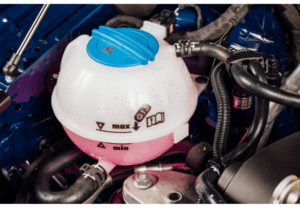
If you have two types of coolants and they have the same chemical composition, it’s safe to mix them. For example, 2 or more engine coolants that are based on ethylene glycol can be mixed.
However, if you’re not an expert and don’t know how chemical reactions work, you must not try to mix two different engine coolants. The engine coolants that are not compatible with each other can react badly and you’ll end up with unwanted results.
In order to stay on the safe side, you must follow the recommendations of your vehicle’s manufacturer.
Engine Coolant Types: At a Glance
As mentioned earlier, there are multiple types of engine coolants available in the market and they also come in different colors. Some of the most common colors are yellow, blue, red, green, and orange.
The following are three main types of engine coolants:
- IAT (Inorganic Acid Technology)
- OAT (Organic Acid technology)
- HOAT (Hybrid Organic Acid Technology)
All of these types come with different chemical compositions and different properties. You can learn more about different types of engine coolants in our detailed guide.
What Are the Different Types of Engine Coolants?
What Happens If You Mix Different Types of Engine Coolants?
The exact result of mixing different types of engine coolants together varies depending upon the chemical composition of each coolant. You should never mix two different products together if you don’t understand how they’ll react to each other.
For example, mixing orange and green engine coolants together means that you’re dealing with two different types of chemical compositions. These coolant blends will react with each other and form a sludgy gel by coagulation.
Resultantly the mixture with gum up your entire cooling system. So, you won’t be able to use that material to cool down your engine and the chances of getting your engine damaged will also increase.
Keep in mind that some people suggest that shortening the lifespan is the only negative impact that mixing can cause. However, it’s completely false because a thick and gel-like material can severely damage your engine.
So, you really don’t want to risk it because a damaged engine will cost you a whole lot of money. It’s also important to note that different brands offer the same type of engine coolant with different names.
You can certainly mix those coolants but only when they have the same chemical composition. But you must not try mixing two products from different brands if you’re not sure about the result.
What If You’re Stuck in the Middle of Nowhere?
If you’re stuck in a place where you can only find a different type of engine coolant and you need to top up your cooling system reservoir, consider opting for other solutions. While adding a different type of engine coolant might allow you to get out of that place, it will put your entire engine at risk.
In such a situation you can use water to add to your cooling system. While it will lower the boiling point of your engine coolant, it won’t put your engine at risk. However, this option is only applicable if you’re not experiencing a snowstorm.
That’s because water will raise the freezing point of your coolant and a snowstorm can freeze the water inside the system that can damage the radiator and pipes.
Tap Water Should Also Be Avoided!
When it comes to the safety and performance of your vehicle, using tap water is not advisable. There are some engine coolants available in the market that need to be mixed with water before you add them to your vehicle’s cooling system.
Normal tap water contains a lot of minerals such as calcium and magnesium. These minerals can form deposits inside your engine’s water pump, plumbing, and radiator.
Therefore, it’s impossible to use tap water in your vehicle’s cooling system without causing problems. The deposits of minerals decrease the efficiency of your radiator and you’ll soon start experiencing overheating issues.
According to stats, only a 1/16 inch of these deposits can decrease the efficiency of your engine’s cooling system by 40 percent. It also means that your engine will get 40 percent hotter that can lead to many other engine-related issues.
So, What Type of Water Should You Use?
As mentioned, some engine coolants are highly concentrated and you need to use water to dilute them. Using softened or distilled water for such engine coolants is your best bet. Both softened and distilled water don’t contain any minerals that can affect the efficiency of your vehicle’s engine.
You can buy these eater types from the market and keeping a bottle or two in your car will come in handy in difficult situations. You can also make softened water at your home as well by using different methods.
Usually, concentrated engine coolants, also called antifreeze, are diluted with water with a 1:1 ratio. It means that an engine coolant has 50 percent of antifreeze and 50 percent of water. Make sure that you add only the recommended amount of water to your engine coolant to achieve the best results.
Adding more water than the recommended quantity will decrease the boiling point and increase the freezing point of the coolant to make it less effective. The rust-resistant properties of the engine coolant will also be compromised with more water.
General Tips to Consider While Adding Water to an Engine Coolant
Other than concentrated antifreeze, pre-diluted engine coolants are also available. You can directly add these engine coolants to your vehicle’s cooling system and these products will suit you better if you don’t want to deal with an additional step of adding water manually.
If you’re sure that you have a concentrated engine coolant, mix it with distilled or softened water by keeping the following key points in mind.
Follow One-to-One Ratio Rule for Temperate Climates
Mix water to your concentrated engine coolant at a one-to-one ratio. It’ll provide your vehicle with the protection it needs during winters, especially in temperate climates. It’ll also keep your vehicle’s engine from overheating effectively. Better yet, an engine coolant with a one-to-one (water to coolant) ratio also keeps your vehicle from engine corrosion, boiling, and rust.
Follow 70-to-30 Ratio Rule for Harsh Winters
If you live in an area with harsh winter weather, you’ll need to follow the 70-to-30 ratio rule. In other words, you’ll need to add 30 percent water to 70 percent engine coolant. For colder areas, ethylene-glycol antifreeze works the best.
70-to-30 is the highest water-to-engine coolant ratio that’s only recommended for areas where the temperature goes well below freezing point.
Follow 60-to-40 Ratio Rule for Factory Engine Coolants
If you are using a factory coolant or antifreeze product such as DEX-cool, that’s based on OAT-type, you should follow the 60-to-40 ratio rule. It means you’ll need to mix 40 percent water with 60 percent engine coolant.
Mixing water beyond this limit will not only decrease the efficiency of your engine’s cooling system but it’ll also shorten the lifespan of the engine coolant. Adding any other type of engine coolant to the factory product will diminish its properties.
Other Considerations
It’s critical to make sure that the cooling system and the engine of your vehicle are completely cool before you start the engine coolant filling process.
After that, you’ll need to drain the old engine coolant completely and mix the new coolant with water by following the above ratio rules. Then you can start adding the mixture to your vehicle’s cooling system.
If you’re not sure which engine coolant to use, consider your manufacturer’s manual. There will be a dedicated section where you’ll find all the information you need to know regarding the antifreeze or coolant usage specifications.
You can also contact your vehicle’s manufacturer to determine the specs of the engine coolant before making your purchase. Lastly, it’s critically important to buy high-quality products from renowned brands.
Buying a cheap product will save you some bucks but you might need to spend hundreds of dollars on costly repairs because cheap products usually don’t perform according to your vehicle’s needs.
Final Thoughts
If you’re planning to mix two different engine coolants together, don’t do it if you’re not an expert and don’t understand the chemical composition of each product.
In addition, if you need to dilute the antifreeze or coolant, always use distilled or softened water. Just don’t take the risk of mixing tap water because it’s just not worth it. Follow the rules mentioned in this guide to dilute your concentrated coolants if you want to achieve the best results.
1 thought on “Can I Mix Engine Coolants? Read This to Find Out”
Comments are closed.