
Windshield washer fluid is important for every vehicle, especially in severe temperatures. It allows you to keep your vehicle’s screen clean to enjoy a clear front view.
But do you know that there are different types of windshield washer fluids available that can affect your vehicle’s detailing needs differently? In addition, do you know why it’s not advisable to use water to fill your windshield washer reservoir?
Let’s discuss everything you need to know about windshield washer liquid along with the answers to the above questions.
What is Windshield Washer Fluid?
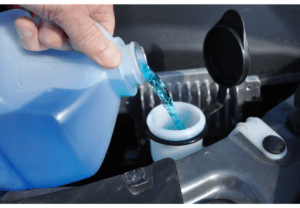
Before getting into further details, let’s discuss what windshield washer fluid. In simple words, it’s a liquid that comes with a specialized formula that cleans your windshield with the help of wipers while driving.
It’s also known by many other names such as wiper washer, wiper fluid, washer fluid, and windshield liquid. Under the hood of your vehicle, there’s a special compartment where this fluid is added.
If your vehicle also has a rear wiper, you might also need to fill a second fluid reservoir to keep it working.
Windshield Washer Fluid Types
There are different types of windshield washer fluids available in the market that are designed for different climates and environments. The following are some of the most common types of windshield washer liquids.
Standard Liquids
It’s the most basic type of windshield washer fluid that you can buy from any auto part store. Generally, the standard fluid is made with a mixture of some cleaning agents, methanol, and water.
These liquids usually come with high concentration and clean your windshield thoroughly in normal temperatures. However, these products fail to work effectively during severe temperatures, especially below freezing point. That’s because they typically don’t contain any antifreeze agents.
Water-Beading Liquids
The water-beading liquids usually have formulas based on silicon or any other chemical that forces water to bead up and roll off of your windshield. These liquids come in handy during heavy rains. However, they can cause streaking, especially if your wiper blade is old.
De-Icing Liquids
De-Icing windshield fluids are specially designed for places with below-freezing temperatures. These fluids come with an antifreeze agent like methanol or ethylene glycol.
These additives allow the de-icing fluids to work effectively even in -56 degrees Fahrenheit temperatures without freezing. Better yet, these specialized fluids can also melt the layering of ice from your windshield.
The de-icing fluids contain a smaller amount of cleaning agents. It means they can’t wipe away debris such as grime, dirt, bug guts, and road filth properly. They’re also more expensive than other types of windshield washer fluids.
Bug Remover Liquids
Bugs are in their full force during the spring and summer seasons. They collide with your vehicle’s windshield and cover it in their sticky guts. That’s where the bug remover windshield washer fluids come into place.
They come with a specialized formula that dissolves and washes away bug splatter and keeps your windshield clean. On the downside, they have a less amount of antifreeze additive as they contain cleaning agents in more amounts. Resultantly, they don’t perform well during the winter months.
All-Season Liquids
If you don’t have time to get into the nitty-gritty of each fluid, you can simply use an all-season windshield washer fluid. These fluids come with a year-round formulation. Not only can they work in high temperatures but they also keep your windshield clean during winters (as low as -4 degrees Fahrenheit) without freezing.
Some all-season liquids also come with additional agents to wash away road grime and remove bugs. Usually, these fluids are also expensive, especially if they have the formula to perform multiple actions.
Other Factors to Understand
Other than the types of windshield washer fluids, it’s also important to understand some other factors before making your purchase. The following are the most important factors that you need to know.
Concentration Level
Different windshield washer liquids come with different concentration levels. Some liquids are pre-mixed with water and all you need to do is to buy them and add them to your windshield washer reservoir.
However, there are some products (including dry tablets) that come with very high concentration levels and you’ll mix them with water manually. Liquids with high concentrations are usually more economical and provide you with the capability to determine the strength of your windshield washer fluid.
It means you can add more water if you want your concentrated liquid to last for a longer period of time. On the other hand, you can add less water if more cleaning power is needed.
The only downside of the more concentrated windshield washer liquids is that you need to perform an extra manual step. It’s not very time-consuming but it does require some effort on your part.
Temperature Rating
It’s important to look at the temperature rating of the windshield washer fluid that you’re considering. It’ll allow you to choose the most suitable product depending upon the environment and climate of your area.
Generally, the basic and bug remover windshield washer fluids are only usable to 32 degrees Fahrenheit. On the other hand, all-season and de-icing (or winter) fluids remain functional down to -27 to -56 degrees Fahrenheit.
Some of the most specialized winter windshield fluids can even work seamlessly down to -76 degrees Fahrenheit of temperature. So, if you’re living in an area with extremely low temperatures, you’ll want to choose the washer liquids with low-temperature ratings.
Why Shouldn’t You Add Simple Water to Your Windshield Washer Reservoir?
It’s recommended to use the right windshield washer fluid depending upon the climate of your area and using plain water isn’t advisable. That’s because it can be very dangerous in both hot and cold temperatures.
If you live in an area with extremely cold temperatures, the plain water will freeze inside the reservoir. Water after freezing expands, and it can cause the pump to break and tubes to burst and you’ll need to spend a whole lot of money to get everything repaired.
On the other hand, you can use plain water if you live in an area where the temperature never drops to freezing point. It’s a cheap alternative but you have to bear in mind that plain water doesn’t offer the cleaning power that specialized fluids do.
Therefore, you won’t be able to get rid of road filth, grime, bug guts, and other sticky debris from your windshield.
When Should You Refill Your Windshield Washer Fluid?
Most modern vehicles turn on their dashboard’s warning light or alert you with a tone or message when your vehicle’s windshield washer fluid is low. At this point, you’ll need to add the fluid of your choice to your vehicle’s windshield washer fluid reservoir.
However, if you own an old car that doesn’t automatically inform you that your windshield washer fluid is low, you’ll need to be extra careful in order to avoid damaging your vehicle. You’ll need to manually look at your windshield washer fluid reservoir to judge the amount of fluid.
You can also try to activate your car’s washer fluid function for the same purpose. If nothing comes out or you feel that the pressure is low, deactivate the washer fluid function and add washer liquid immediately.
It’s important not to try to activate the washer fluid function again until you have added fluid to the reservoir. Trying repeatedly will overheat the pump and in the worst case, it can get damaged, leading to an expensive repair.
What’s the Right Method to Refill Your Windshield Washer Fluid?
Unlike other fluids and oils such as motor oil in your vehicle, you don’t need to change your windshield washer liquid. That’s because it never breaks down. That’s why adding windshield washer fluid to your car is an easy process.
You can use the steps listed below to top up your washer fluid if it gets low.
- Open the hood of your vehicle.
- Locate the windshield washer reservoir cap. The cap will have a small image of water spraying and it’s a press-on or screw-on cap.
- Remove the cap by unscrewing or pulling upward.
- Start pouring the windshield washer fluid until it reaches the “Full” mark. Make sure that you make the fluid beforehand if you have a concentrated product.
- Screw or press the cap to close the windshield washer reservoir properly.
- Close the hood/bonnet of your vehicle.
Check Out the Best Selling Windshield Washer Fluids on Amazon
Final Thoughts
If you live in an area with high temperatures and you use your vehicle just to drive around your town at a low speed, you can use a simple and affordable windshield washer fluid. In fact, you can also use water to save some bucks as well.
But if you live in a place with extremely low temperatures and you also need to use your vehicle daily, consider using a specialized windshield washer fluid that comes with a low-temperature rating.
You can buy products with high concentration if you have time to perform an extra manual step but if you have a busy daily routine, a pre-mixed liquid will suit you better.