
The power steering unit is one of the most important components in your vehicle and it needs power steering fluid to work efficiently. If the power steering fluid level is low or the fluid is in bad condition, you won’t be able to turn your wheel easily and it’ll also put your safety at risk. Discover how often to change power steering fluid to keep your power steering system working properly.
There are some other negative effects of having low or bad power steering fluids such as decreased performance and shorter power steering system lifespan. That’s why it’s important to change your power steering fluid on time.
What is Power Steering Fluid?
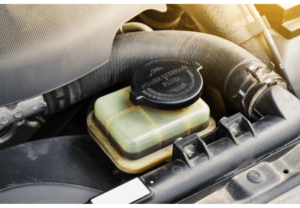
The power steering fluid is a liquid substance that keeps the components of your power steering system lubricated and allows them to perform effectively. It doesn’t burn off but it can get dirty over time.
The buildup of sludge and particles forms in the fluid. It decreases the performance of the fluid and you need to change it after some time. There are different types of power steering fluids used for different types of power steering systems such as electro-hydraulic and hydraulic.
What is the Change Interval of Power Steering Fluid?
You don’t need to change your power steering fluid each time you change your engine oil. In addition, the change interval depends upon your vehicle’s model and the type of power steering fluid you’re using.
Generally, experts suggest that one should change the power steering engine fluid after every 75,000 to 100,000 miles or 2 years. The best way to find out the right time to change your power steering liquid is to refer to your manufacturer’s manual.
How to Know When to Change Your Power Steering Liquid?
There are several ways to determine the right time to change your power steering fluid including the following.
Inspect Your Power Steering Fluid
Checking the condition of your power steering fluid is a great way to determine whether it needs to be changed or not. Most modern vehicles come with a transparent power steering fluid reservoir and you can inspect it visually to determine its condition.
On the other hand, if you’re using an older car, you need to use a dipstick for inspection. If your power steering fluid is in a good condition, it’ll have a bright color. However, if you notice that your power steering fluid is dark, consider it a red flag.
Fluid with a darker color, especially if they also have a burnt smell, mostly means that it needs to be changed. Better yet, if you also notice small particles in the fluid, it means that your power steering fluid has been contaminated and you need to get it changed as soon as possible.
Steering Difficulties
Ideally, you should change your power steering fluid well before you start experiencing steering difficulties. However, if you start noticing that your steering wheel has become hard or it’s not responding as it normally does, consider changing your power steering fluid.
It usually happens when you have low or bad power steering fluid and if you take it for granted it can severely damage your power steering system. Therefore, it’s critically important to get your power steering fluid checked and replaced in such a situation. Not only is it bad for your vehicle but it can also be extremely risky.
Listen to Your Power Steering Pump
Sometimes your power steering fluid pumps start making weird noises when the fluid is low or has gotten contaminated. It’s one of the most obvious indications that you need to change your power steering fluid.
In such a situation, it becomes harder for the fluid pump to perform as it fails to get the lubrication it needs. So, you should change your power steering fluid if your fluid pump has started making loud noises.
Follow Your Manufacturer’s Manual
Your manufacturer’s manual contains almost all the information you need to take care of your car, including the time to change your power steering fluid. Keep in mind that it’s not guaranteed that you’ll find this information in your owner’s manual but checking it is recommended.
You can also go to a certified mechanic to find out the quality and quantity of your power steering fluid if you can’t find that information in your owner’s manual. Other than the change interval, you’ll also find the information regarding the type of power steering fluid you should use.
How to Check Power Steering Fluid?
Other than checking the power steering fluid’s level and quality, you also need to make sure that there are no leaks in your power steering unit. You can perform all three of these inspections by using the following steps.
Checking the Levels of Your Power Steering Fluid
As mentioned earlier, most new vehicles come with transparent power steering fluid reservoirs and they also have level-indicating marking. You can easily measure the level of your power steering fluid just by looking at the reservoir.
On the other hand, if you don’t have a transparent power steering fluid reservoir, you’ll need to use the dipstick marking to measure the levels of the fluid.
- Open your vehicle’s hood.
- Locate the power steering reservoir. Some engines have remote reservoirs that are located in different spots in your engine bay. Others are located right next to or above the power steering fluid pump.
- Use a dry cloth to clean the power steering reservoir cap and remove it.
- The cap will have a dipstick that also has markings to indicate the power steering fluid level.
- Check the level of the fluid.
- If the power steering fluid is below or new the “MIN” level, you’ll need to add a power steering fluid.
- If the power steering fluid is already at a good level, close the reservoir and check the level of the fluid after a few months.
Checking the Quality of the Power Steering Fluid
Just like any other type of fluid in your vehicle’s engine, you’ll need to make sure that your power steering fluid isn’t contaminated.
Contaminated fluid with dirt particles will result in decreased performance and in the worst cases, it can prevent the power steering unit of your vehicle from working altogether. The power steering fluid loses its effectiveness due to oxidation and its color darkens.
Regardless of the reason why your power steering fluid gets contaminated, you’ll need to make sure that you change it before it starts damaging your power steering system.
Checking the Leaks in Power Steering System
The last thing you want is to top up your power steering fluid and end up with an empty reservoir because of a leak. Usually, if there is a leak, you’ll see fluid marks after moving your car from its parking spot.
More often than not, a leak is the biggest culprit, if the level of your power steering fluid is decreasing frequently. In such a situation, take your vehicle to a certified mechanic to get the leaking problem fixed as soon as possible.
Changing the Power Steering Fluid
Changing the power steering fluid, after flushing the old fluid from the system, requires some technical knowledge. So, if you’re not an expert, it can be a mess. You’ll need to direct the low-pressure return hose to a drain pan or bucket by disconnecting it.
You’ll also need to start the engine of your vehicle and turn the steering wheel in both directions to flush all the old fluid from the system. You might also need a helper to stand near the reservoir with new fluid to add to the system to keep it from drying.
Best Power Steering Fluids
It can be a challenging task and that’s why it’s recommended to take your vehicle to a professional mechanic.
Benefits of Changing Power Steering Fluid on Time
There are many benefits of changing your power steering fluid on time. Otherwise, the performance of your power steering system will decrease and it can also get damaged. Changing the power steering fluid timely brings the following benefits to the table.
- Provides you with smooth vehicle control.
- It allows you to get rid of vast friction due to enhanced friction.
- Fresh power steering fluid improves the steering pump function.
- It keeps the steering pump from being abrasive.
- It saves you a lot of money in the long run.
How to take Care of Your Power Steering Fluid?
Other than changing your power steering fluid on time, you should also use the right product that meets your vehicle’s specifications. Additionally, you also want to buy high-quality and branded power steering fluid that comes with chemical additives.
The additives lubricate and clean your power steering fluid and allow it to last longer and be more effective. The additives also provide your power steering fluid with the properties that quiet the pump noise and smooth out hard steering.
Final Words
Power steering fluid is one of the most important liquids in your car that allows you to enjoy a smooth driving experience. Use your owner’s manual or take your vehicle to a mechanic to get your power steering fluid checked after every 6 to 12 months.
It’ll allow you to change the power steering fluid on time by choosing the product that suits your vehicle’s specifications.
Check Out the Best Selling Brake Fluids on Amazon