
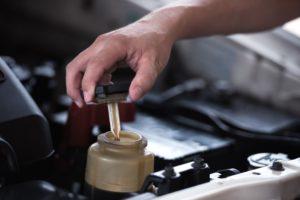
For some people, power steering seems like an unnecessary luxury. If you have one and it fails, you may find yourself in danger. Power steering fluid leaks can cause a failure, but fortunately, checking the fluid is easy, no matter whether your car is cold or hot. We will instruct you on answering where is the power steering reservoir and how to check the power steering fluid level correctly.
What are the Advantages to Power Steering?
Power steering operates by a series of hydraulic mechanisms. It was created to make parking and steering easier. Vehicles designed with power steering can be challenging to steer without it working. If the power steering suddenly goes, a person could lose control of their car and end up in an accident.
Power steering makes turning your wheel easier and more fluid, making parallel parking and other low-speed activities easier. Newer cars can have Electronic Power Assist Steering (EPAS) and don’t require fluid. Older cars require fluid to help the vehicle’s system smoothly run. Fluids should be checked each month.
When driving, pay attention to any symptoms of a power steering issue to avoid car trouble.
When do you Need to Check Your Levels?
Mechanics will generally check power steering fluids at an annual tune-up or oil change. You can also do it yourself monthly, especially if you think you are about to encounter a power steering failure.
Changing the fluid only requires five minutes of our time. It is best to do it when the engine is cold, but some cars contain markings no matter what the temperature is. Consult the user’s manual to discover what is best for your car.
How Do You Know If You Are Low on Fluid?
If you are low on fluid, you will need to add more to prevent a power steering failure. Signs will include:
- Turning the wheel is difficult.
- Steering makes sounds.
- Your steering is making a shrill sound or screeching.
- Stains located under your vehicle.
Locating Your Power Steering Reservoir
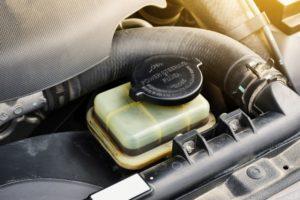
Your power steering fluid reservoir holds the power steering fluid. It can be under the hood in the engine compartment on the passenger’s side of the car, where belts in a transverse mount or smaller engine are. You may also find it on the driver’s side in some cars.
It should be on or near the engine with a white/yellow reservoir, accompanied by a black cap. The word “steering” is marked on the top. Most vehicles have a heavy-duty plastic reservoir. It will allow you to check fluid levels without having to open your container. Wipe it to obtain a clear view of where the levels are marked, and then you can check the level.
Adding Fluid
Once the level has been checked and discovered that it is low, you will need to add some more. Look around your pump and reservoir to ensure that there is not a power steering fluid leak. If there isn’t a leak, then remove your cap. Using a clean rag, wipe the inside/outside of the cap and open it. Make sure you don’t get dirt or grime into the reservoir.
- Obtain a quart of power steering fluid according to the make and model of your vehicle. Consult your manual for information.
- Park the vehicle on an even surface then set your parking brake to prevent movement.
- Remove or roll up loose clothing. Keep arms away from cooling fans while checking the fluid. Fans may automatically turn on even while the engine is shut off.
- Start your engine and allow it to run until your temperature gauge is at the normal operating range.
- As the engine idles, turn your steering wheel until it reaches full lock. Turn it to the opposite way to lock. Conduct this several times.
- Then, turn off your engine. Open your hood.
- Find the power steering reservoir as mentioned above. Wipe it clean with a rag to prevent dirt from entering it while working on it.
- Examine the fluid level located in the reservoir. Depending on the type, you may need to twist and pull out the dipstick or look at the min or max lines located on the outside of the reservoir.
- If the level is between the two lines, there is no need to add additional fluid. However, if it is below the min line, remove the cap. Add fluid in small amounts as it fills quickly. Check the levels each time. Refrain from going above the max fill line.
- Replace your dipstick or cap and ensure it is tightly sealed.
If the car is whining or groaning when the steering wheel turns or is hard to turn, your power steering system may need to be serviced. IF it has lost power, it should be taken to the dealership for servicing.
In terms of where the power steering reservoir is, they are not difficult to find and are usually marked. If you do regular inspections on your vehicle, this should be one of the things in your regular maintenance schedule. It will keep you safe and prevent you from injury.
Checking and changing fluid levels is an easy process, and you do it very quickly with little effort.
2 thoughts on “Where is the Power Steering Reservoir – Checking & Filling Guide”
Comments are closed.