
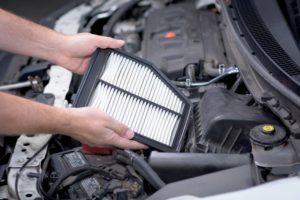
Cabin filter vs air filter. When you compare them side-by-side, they do the same thing: purify the air. Air filters will clean the air going into your engine, whereas cabin filters remove contaminants from entering the cabin. Both contribute to the overall performance of the vehicle.
Air filters are inside the engine bay concealed in a sealed box. They clean the air before it reaches the engine and prevents the impurities found in the air during combustion. The air filter ensures the air is contaminant-free before entering the engine.
The cabin filter is in the duct system. It filters dust particles and pollen that enter your car through the air conditioning, heating, and defrost systems. While both components are similar in their functions, their purposes vary slightly.
What is an Air Filter?
Air filters (also known as internal combustion air filters) prevent impurities found in the air from entering your engine during combustion. They either indirectly or directly protect the engine’s components from daily wear.
The air filter acts as the car’s defense system against any contaminants or pollutants from entering the engine’s system. It reduces the engine’s emissions and improves the performance of the car.
It acts by blocking larger particles from encountering the engine’s intake by allowing only pure air to enter. This keeps the vehicle operating in top working condition. Dirty air reduces the engine’s efficiency and causes damage to your engine. Experts advise periodically changing your filter to keep the engine running properly.
What is a Cabin Air Filter?
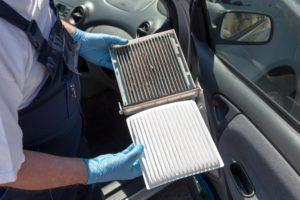
This is a second air filter found in the duct system. Its purpose is to filter dust and pollen particles from entering the vehicle’s interior. Just like the air filter, cabin air filters are created to prevent bugs, dirt, and other contaminants from entering through the air conditioning, defrost, and heating systems.
These filters are generally found behind the glove compartment just beneath the dash and under your hood. Although some models will store them inside the HVAC case between the evaporator core and blower motor.
As you drive or sit in traffic, the fresh air intake system sucks in the air from outside, even if the blower motor is off. This negatively affects how the HVAC system operates. By installing a cabin air filter, you are clocking pollutants and airborne allergens from entering your ventilation system.
The Benefits
Air filters clean air flowing into the engine. By maintaining air quality, they prevent engine inefficiency. They also increase gas mileage, torque, and horsepower. Purified air ignites faster and more efficiently in the engine’s cylinders, boosting MPGs and improving performance. High-quality filters make your engine last longer and improve your driving experience.
Engines operate in tight spaces, at high speeds, and under extreme temperatures. Even a little bit of dirt entering an engine can cause wear and tear on components leading to great amounts of engine damage.
Filters will eventually clog with debris and require cleaning/changing. Clogged filters reduce the vehicle’s performance, increase fuel consumption, and emissions. It’s not great for the car, nor the environment.
By ridding the air of pollutants, cabin air filters clean the air before entering the cockpit. They clean the outside air before it reaches the inside of the car. This helps passengers by improving their air quality and helps those that have allergies.
What is the Difference Between the Two?
As mentioned, while both filters have similar functions regarding your vehicle’s engine, they do have separate purposes. Combined, these filters will keep your vehicle performing at its best. Worst case scenario, if they are never replaced, then you may end up having engine trouble as it will allow contaminants into your system.
Different locations
Air filters are found in the engine bay under your hood. It should be, as mentioned, in a sealed box as it is one of the most fundamental components of your engine. Your engine’s life expectancy depends on the quality of air entering your engine. If dirty air is entering into the engine, it will affect your vehicle’s overall performance.
Meanwhile, cabin filters are behind the glove compartment. They are under the hood and close by the dash. As mentioned, they are inside the HVAC case between the evaporator core and the blower motor.
Different Purposes
The purpose of the air filter is to remove air contaminants from entering the engine during combustion. When properly installed, they only allow pure air to enter the engine and allow the engine to operate as it should. Cabin filters prevent contaminants from reaching the cabin.
In short, the air filter blocks pollutants from entering the engine, while the cabin filter prevents the same contaminants from damaging the cabin.
While having an oil change done to your car, the mechanic may advise you to change the internal combustion air filter if your existing one is dirty or clogged. A clogged or dirty filter will ultimately affect the engine’s performance and may decrease the life of your vehicle.
Aftermarket air filters tend to upgrade the performance of your vehicle whereas changing a cabin filter contributes to the passenger’s health. Cabin filters boost the air quality and may be deemed more of a necessity over just creating a nice ride.
How and when do you Change a Filter?
Air and cabin filters are accessible. With some vehicles, tools aren’t required to change them. All you need is to undo certain latches to be able to access the filter. Your vehicle’s manual will assist you with this. It will also outline the correct procedure to do it and should be your first resource.
Replacing cabin filters may require more effort. You may need to put your head under the dash and remove some small bolts. The owner’s manual should be able to guide you in the right direction.
Checking these filters should be done annually. If you are finding that you are going through a great deal of gas, you may want to examine your air filter. If you find your vehicle smells musty, your passengers are experiencing headaches, or are sneezing, you may want to check the cabin filter.
If you spend a great deal of travel time along dirty or dusty roads, then you may need to change them more frequently.
While both air and cabin filters work by eliminating pollutants from entering your vehicle, they do two different jobs. One will help you maintain your engine, while the other affects the air quality inside the vehicle.